Eating well is about more than just satisfying hunger—it’s about nourishing your body while staying aligned with your values. For those following Islamic dietary guidelines, understanding Halal diet food is essential. In this guide, we’ll explore what it means to eat Halal, the benefits of a Halal diet, practical tips for beginners, and even a real-life example of someone who transformed their health through Halal eating.
Content
Understanding the Halal Diet Food: Principles, Benefits, and Foods to Include
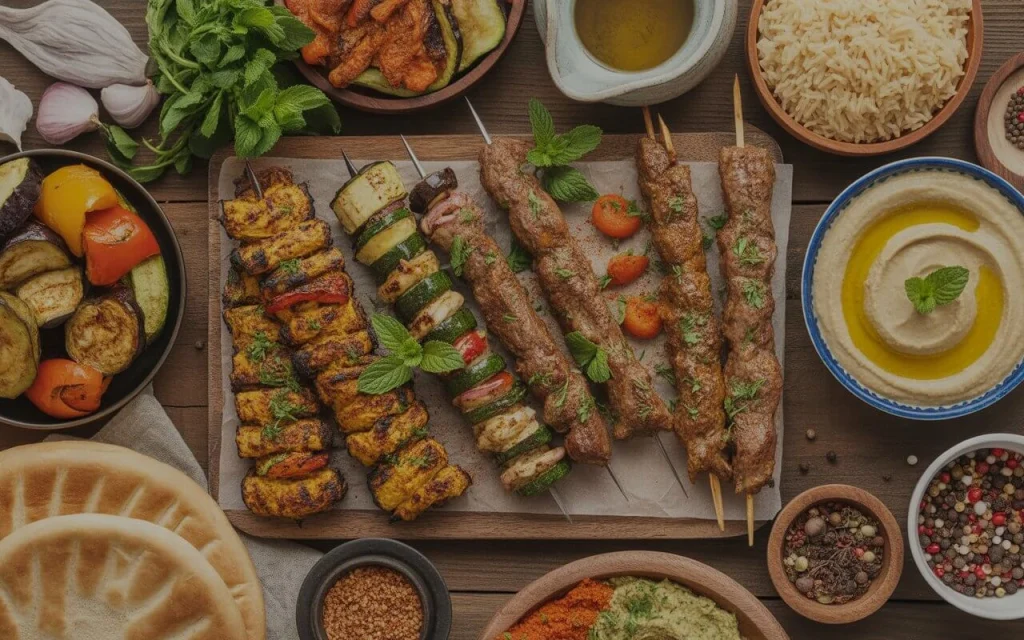
Simply put, a Halal diet food consists of foods that are permissible according to Islamic law. “Halal” means lawful or permitted, while “Haram” refers to what is forbidden. But Halal eating is more than a list of dos and don’ts—it’s a philosophy that emphasizes clean, wholesome, and healthy foods.
Understanding Permissible Foods in Islam
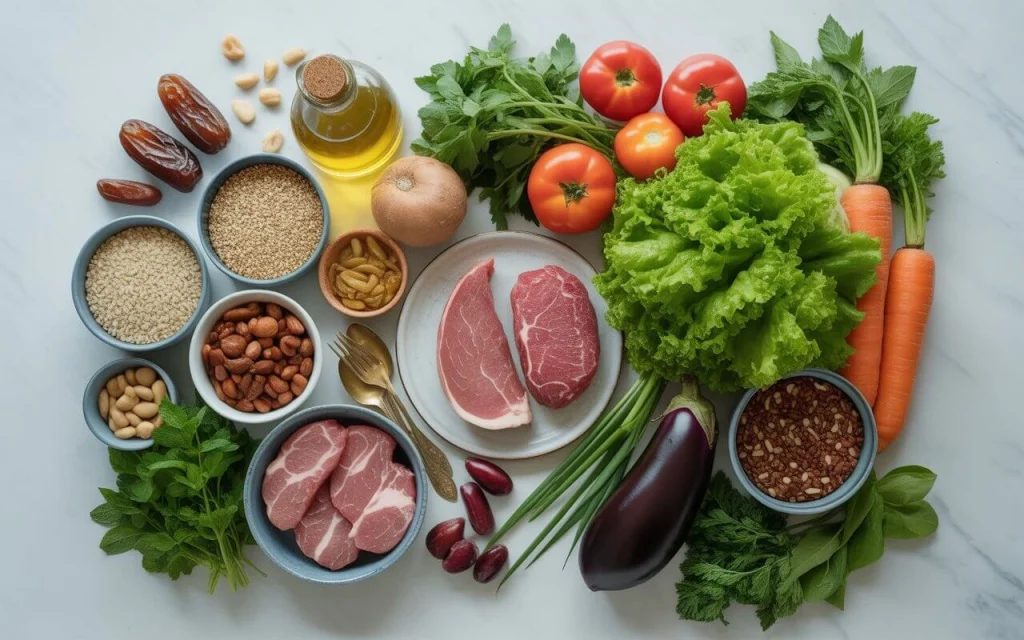
Not all foods are Halal. Foods like pork, alcohol, and improperly slaughtered meat are considered Haram. Meanwhile, foods that are Halal include:
Lean meats (chicken, beef, lamb) properly prepared according to Zabiha rules
Whole grains such as quinoa, oats, and brown rice
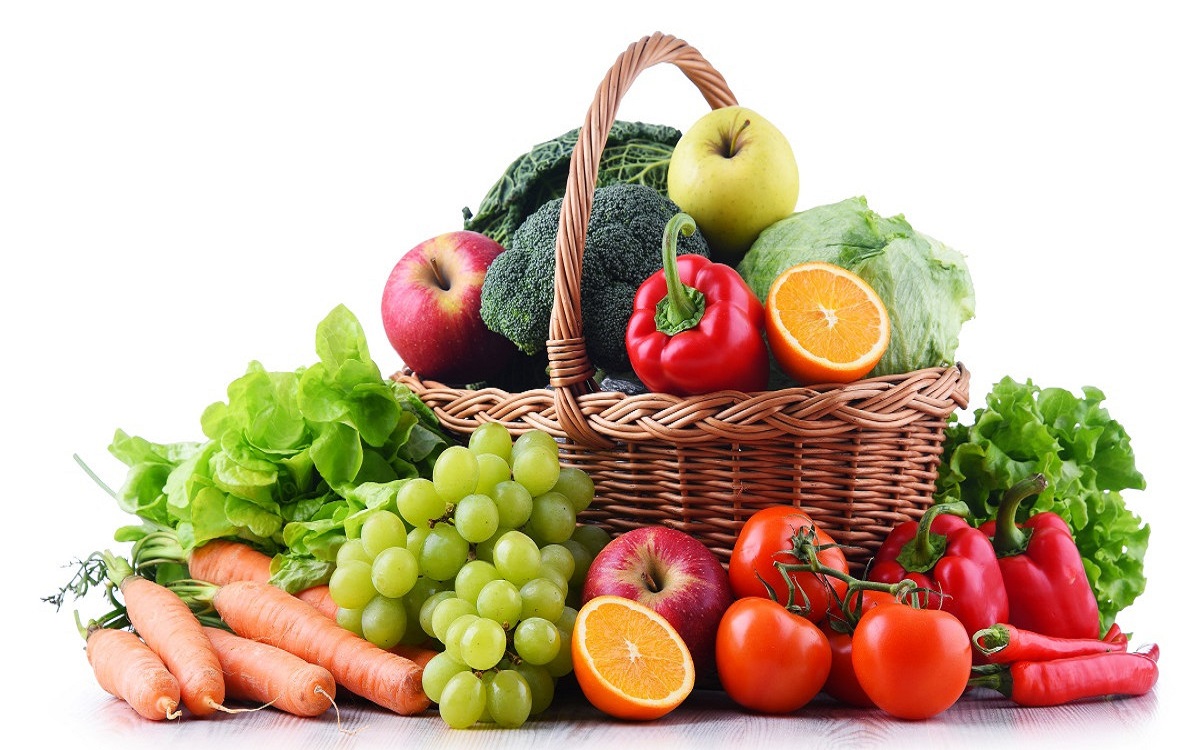
Fresh fruits and vegetables
Legumes and nuts
Dairy products from Halal sources
Using these ingredients, you can build a healthy Halal meal plan that supports your energy, weight goals, and overall wellness.
Benefits of Following a Halal Diet
Following Halal diet food guidelines can offer significant health and lifestyle benefits that go beyond religious observance. Some of these include:
Better Meat Quality: Zabiha slaughter ensures animals are treated humanely, which many experts believe results in cleaner, leaner meat.
Mindful Eating: The principles of Halal encourage awareness about what you consume.
Weight Management: Choosing whole, wholesome Halal foods helps in maintaining a balanced diet and controlling calorie intake.
By focusing on healthy Halal meals, you’re naturally steering toward a diet rich in nutrients and low in harmful additives.
Best Halal Diet Foods for Beginners
Starting a Halal diet can feel overwhelming at first. Here’s a practical breakdown of the best Halal diet foods for beginners:
Protein-Rich Halal Foods
Proteins are the cornerstone of a healthy diet. Halal protein sources include:
Chicken, beef, and lamb (Zabiha certified)
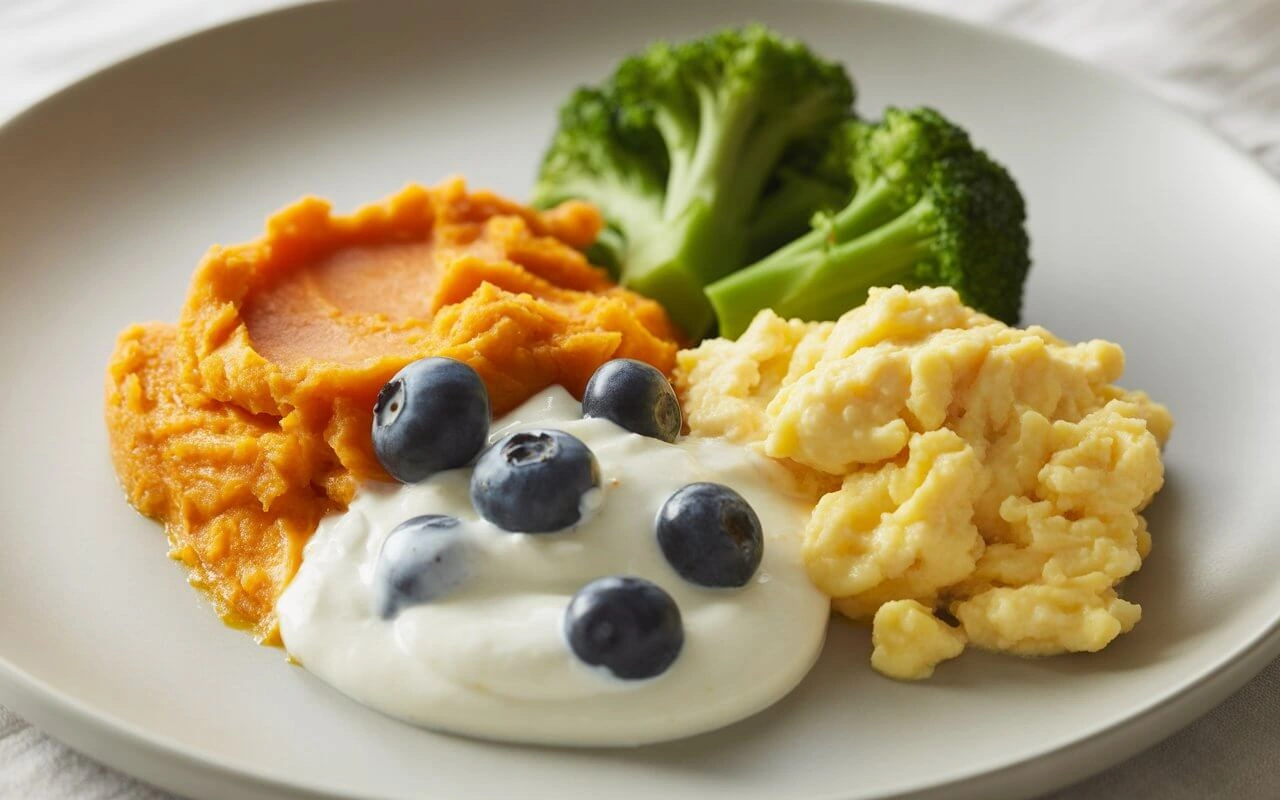
Eggs from trusted sources
Lentils, chickpeas, and beans for plant-based protein
Use Case: Fatima, a busy marketing executive, switched to Zabiha chicken and plant-based proteins. Within three months, she noticed improved energy levels and better digestion.
Halal Grains, Fruits, and Vegetables
Whole grains provide essential fiber, while fruits and vegetables supply vitamins and antioxidants. Consider:
Brown rice, oats, whole-wheat bread
Leafy greens like spinach and kale
Seasonal fruits such as berries, oranges, and apples
These are staples that make your Halal diet food list for weight loss or muscle gain more effective and enjoyable.
Healthy Halal Snacks and Meal Ideas
Even snacks can follow Halal principles without compromising health:
Nuts and seeds
Fresh fruit smoothies
Homemade granola bars with Halal-certified honey
Tip: Meal prep on weekends to ensure you always have Halal-friendly options, especially if your weekdays are busy.
How to Plan a Healthy Halal Diet
Creating a sustainable Halal diet food plan requires thoughtful preparation. Here’s how to get started:
Meal Planning Tips
Make a weekly grocery list based on Halal-certified foods.
Include a mix of proteins, complex carbs, and healthy fats in every meal.
Read labels carefully to ensure compliance with Halal standards.
Incorporating Balanced Nutrition
A balanced Halal diet means every meal has:
40% complex carbohydrates
30% protein
30% healthy fats
This ratio supports energy, satiety, and overall well-being while adhering to Halal principles.
Real-Life Case Study: Ahmed’s Halal Diet Transformation
Ahmed, a 32-year-old software engineer, struggled with high cholesterol and low energy. He decided to switch to a Halal diet after consulting a nutritionist. His daily routine included:
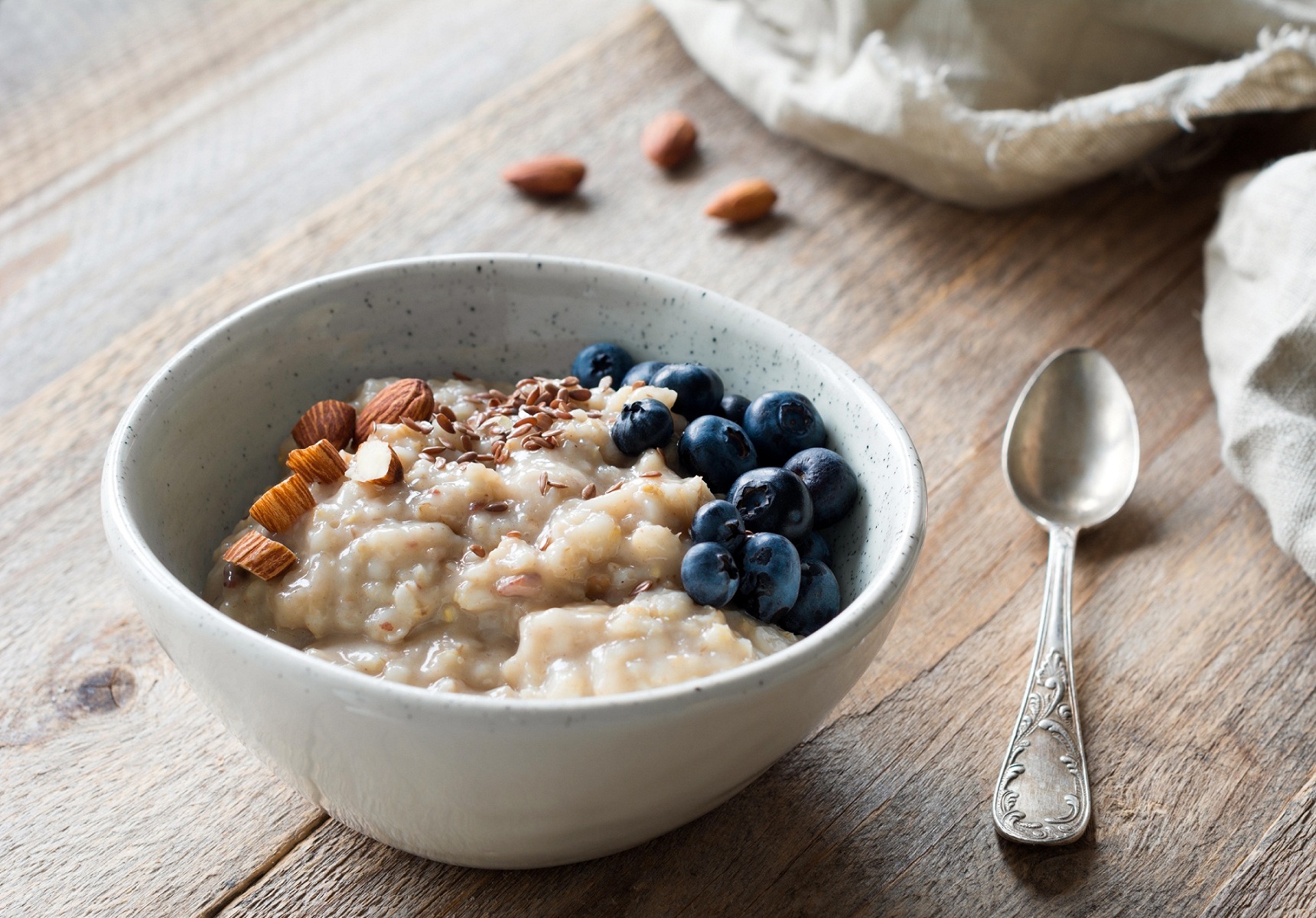
Breakfast: Oatmeal with nuts and fresh fruit
Lunch: Grilled Zabiha chicken with quinoa and roasted vegetables
Snacks: Halal-certified yogurt and almonds
Dinner: Lentil soup with whole-grain bread
Within six months, Ahmed experienced:
15 pounds weight loss
Lower cholesterol levels
Increased energy for work and exercise
Ahmed’s experience highlights how Halal diet food can improve health while respecting dietary values.
Common Mistakes to Avoid in a Halal Diet
Even with the best intentions, beginners often make mistakes:
Skipping meal prep: Leads to unhealthy choices when busy.
Ignoring label reading: Not all packaged foods are Halal.
Over-relying on meat: Balance proteins with plant-based sources.
Avoiding these pitfalls ensures your Halal diet is both healthy and sustainable.
Final Thoughts
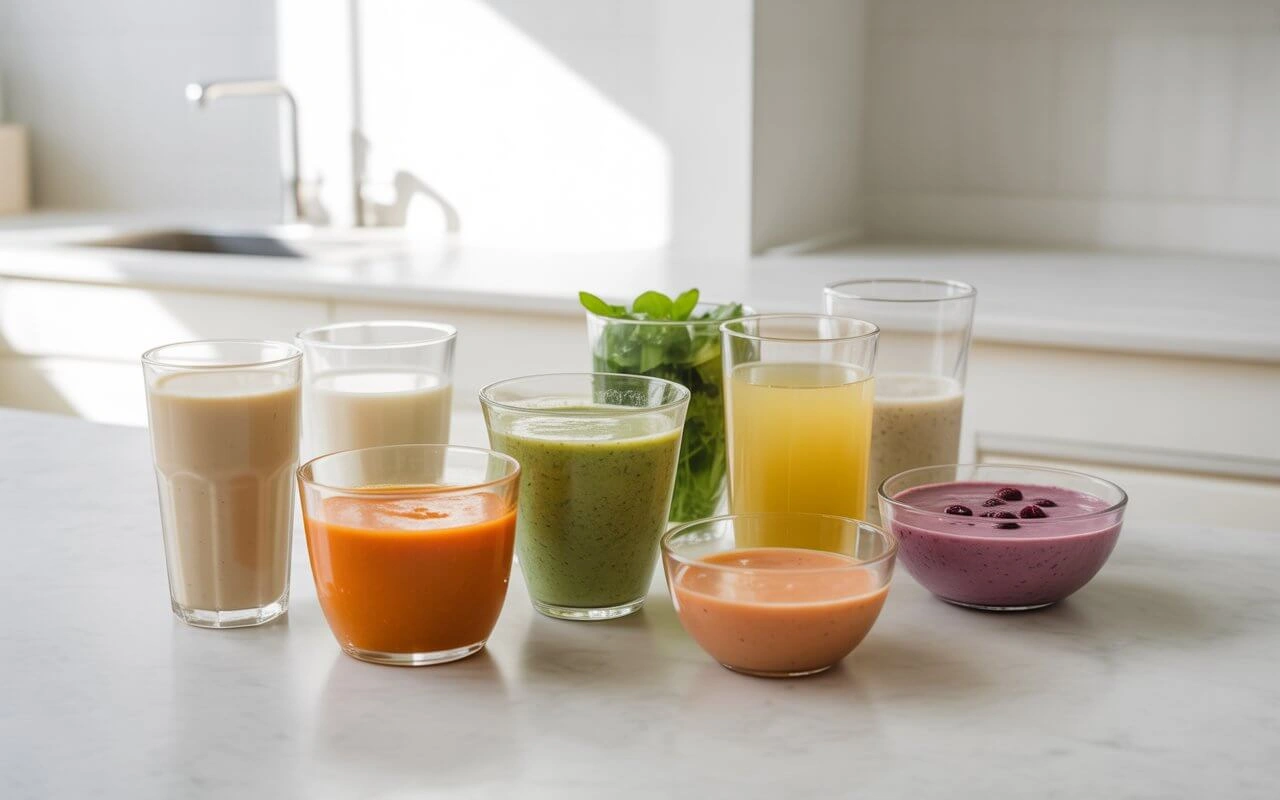
Eating a Halal diet is more than just compliance—it’s about making mindful, health-conscious choices that benefit both body and soul. By focusing on clean, permissible ingredients and balanced nutrition, you can create meals that are both nourishing and fulfilling. Even when following a Full liquid diet, it’s possible to maintain Halal standards by choosing permissible broths, dairy, and blended foods. Start small, plan wisely, and enjoy the journey toward wholesome, Halal-friendly eating.
FAQs
What foods are Halal to eat?
Discover which foods are permissible in a Halal diet food plan.
Can a Halal diet include eggs?
Eggs are allowed and are a good protein source in Halal diet food.
Can Muslims eat pasta?
Yes, pasta is Halal if it contains no forbidden ingredients.
Can Halal eat milk?
Milk is Halal if sourced from permissible animals and not mixed with Haram additives.
Do KFC use Halal chicken?
Only select locations serve Halal chicken; always verify with local outlets.
Matilda Shue a health blogger, but her words have the power to change your life. She is an avid reader and she loves nothing more than curling up with a good book. She always strives for perfection in everything she does, so it’s no surprise that she plans on becoming the next JK Rowling one day!
Matilda Shue a health blogger, but her words have the power to change your life. She is an avid reader and she loves nothing more than curling up with a good book. She always strives for perfection in everything she does, so it's no surprise that she plans on becoming the next JK Rowling one day!
Starting a full liquid diet can feel overwhelming at first, especially if you’re unsure what you can eat, how long you should follow it, or whether it…
Recovering from dental surgery, dealing with digestive issues, or managing conditions that make chewing difficult can be challenging — especially when it comes to maintaining a balanced…
When it comes to making soups, stews, and broths, flavor often depends on patience — slow simmering, layering ingredients, and time-tested techniques. Yet one of the most…
Whether you’re aiming to detox, lose weight, or simply add more nutritious liquid meals to your routine, liquid diets offer a versatile and effective approach. Packed with…
If you’re cutting back on sugar or calories, chances are you’ve reached for a can of Diet Coke. With its crisp taste and zero-calorie promise, it’s become…