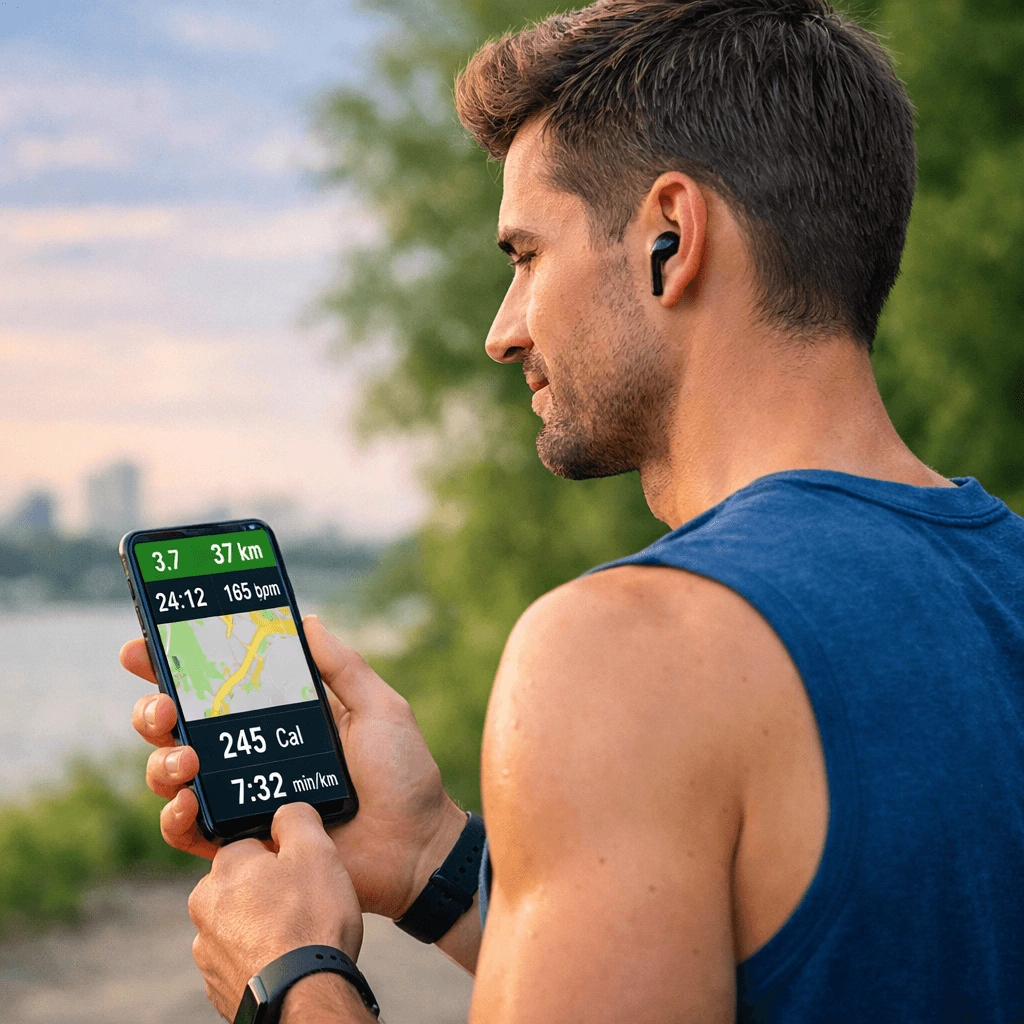
Personalized fitness tracking changes how people approach exercise. It moves users away from generic plans. Apps gather simple data. They use that data to create tailored guidance. The result is a plan that fits the person. Users get workouts that match their fitness level. They receive nutrition tips that suit their goals. They see progress in clear charts. This clarity builds trust. It also keeps people coming back. Small wins add up over weeks and months. That steady progress turns short bursts of effort into lasting habit. For businesses, personalization raises user value. It increases retention and lifetime revenue. For users, it makes fitness feel possible. It makes goals feel reachable. This shift is why many health sites now recommend apps as a core tool for modern fitness.
Content
What Personalized Tracking Actually Means for Users
Personalized tracking adapts to each person. It starts with a user profile. The profile includes age, weight, goals, and limits. It can also include injuries and preferences. The app then uses activity data to refine plans. This data can come from manual entries or devices. Over time, the plan changes as the user improves. The app may lower intensity after a hard week. It may add recovery days when sleep drops. It may suggest different meals when weight stalls. These small adjustments keep the plan realistic. They reduce the chance of burnout. They also lower injury risk. Users feel the app understands them. That feeling boosts motivation. It makes the app more than a tool. It becomes a coach in the pocket.
Personalization improves adherence and results. Users follow plans that match their lives. When workouts fit schedules, people do them more often. When intensity matches fitness level, progress is steady. When nutrition advice is realistic, users stick to it. Personalized feedback also builds confidence. Seeing measurable gains motivates further effort. Social features and milestones add accountability. They turn solo workouts into shared wins. For people with health risks, tailored plans can be safer. A personalized plan can avoid moves that worsen an injury. It can also guide gradual progress for chronic conditions. For busy users, short, effective sessions keep fitness on track. Overall, personalization raises the chance that users will meet long?term goals.
Core Features and Data Sources That Power Personalization
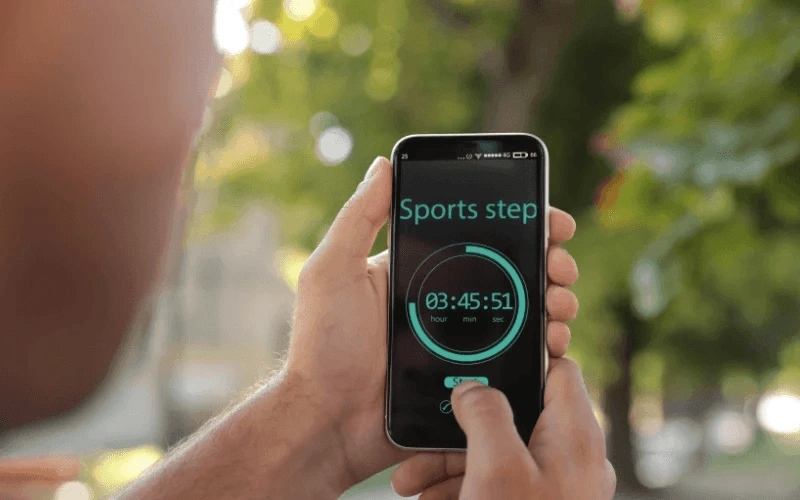
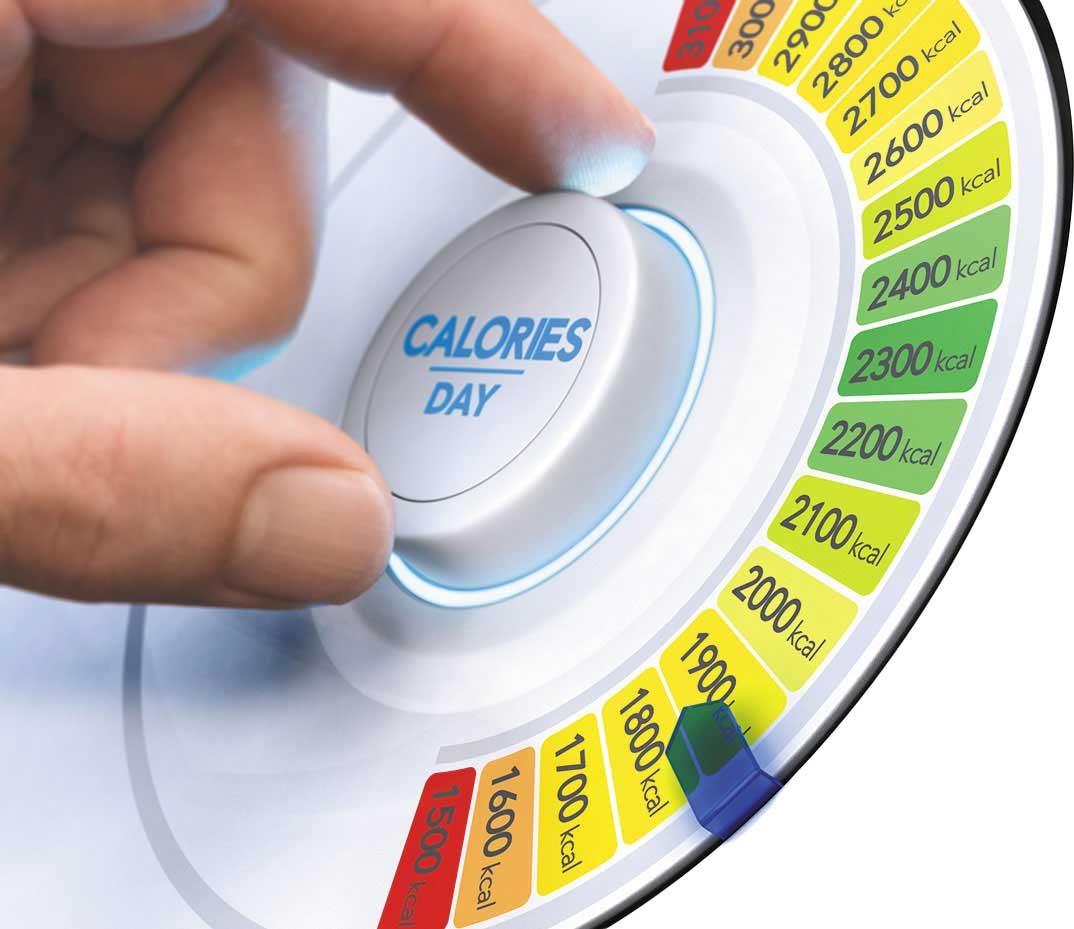
A few core features make personalization work. First, a robust user profile captures goals and limits. Second, activity logging records workouts and steps. Third, wearable integration brings heart rate and sleep data. Fourth, adaptive workout plans change with progress. Fifth, nutrition modules offer meal guidance. Sixth, progress reports show trends and milestones. Data comes from self reports, device sensors, and third?party APIs like HealthKit or Google Fit. Combining these sources gives a fuller picture. The app then applies rules or models to suggest the next step. Good UX makes these features easy to use. Clear prompts and simple inputs keep users engaged. Without clean data, personalization fails. With it, the app can deliver timely, relevant guidance that feels personal.
Development Implications and Fitness App Development Cost
Building personalization affects timelines and budgets. Simple personalization needs basic logic and UI. Advanced personalization needs machine learning and real?time analytics. Integrations with wearables add engineering work. Each added feature increases testing and maintenance. Security and compliance add legal and technical costs. When planning, teams must balance features and budget. Mentioning fitness app development cost early helps set realistic goals. A phased approach works best. Start with core personalization. Launch and test with real users. Then add advanced features based on data. This reduces wasted effort. It also spreads cost over time. For many projects, this staged path delivers value faster and keeps budgets under control.
Privacy, Security, and Measuring Success
Personal data is sensitive. Apps must encrypt data in transit and at rest. They must use secure authentication. They should limit data access to what is needed. Transparency about data use builds trust. Compliance with GDPR, HIPAA, or local rules is essential. Measure success with clear metrics. Track retention, engagement, and goal completion. Monitor referral and conversion rates. Use A/B tests to refine personalization rules. Collect user feedback to spot friction points. Iterate based on real behavior, not assumptions. Strong privacy and clear value together create loyal users. That loyalty is the best proof that personalization works. If you want, I can draft a content brief or a cost?tier outline for a fitness app that shows feature sets and rough budget ranges.
Jesus is a health blog author who has been writing about nutrition, fitness and healthy living for over 10 years. He also loves to run, hike and bike with her wife.
Jesus is a health blog author who has been writing about nutrition, fitness and healthy living for over 10 years. He also loves to run, hike and bike with her wife.
If you’re preparing for the Army fitness test, you know it’s more than just push-ups and running—it’s a measure of strength, endurance, and overall readiness. Whether you’re…
Bodybuilding competitions come in many shapes and forms and for those interested in fitness and figure competitions, the options can feel overwhelming. Whether you’re a seasoned athlete…
Understanding your body requirements is an invaluable tool for developing fitness. Your daily body requirements include vitamins, minerals, protein and fibre. Vitamins and minerals are the elements…
Maintaining an ideal figure isn’t difficult when you’re following the right instructions and tips. If you eat less and stick to your workout plan, chances are that…