Choosing a healthcare career often starts with a desire to help people during some of their most important and challenging moments. Among the many healthcare support roles, a patient care technician plays a valuable role by providing direct assistance to patients while supporting nurses, doctors, and other healthcare professionals.
Many people are interested in this career because it combines compassion, hands-on medical skills, and opportunities for professional growth. A Patient Care Technician (PCT) is not only responsible for basic patient needs but also helps create a safer and more comfortable healthcare experience.
Whether you are exploring healthcare careers for the first time or considering a career change, understanding the role, required skills, training options, salary expectations, and career opportunities can help you make an informed decision.

Content
What Is a Patient Care Technician?

A patient care technician is a healthcare professional who provides essential support to patients under the supervision of nurses and medical staff. They work closely with patients in hospitals, clinics, rehabilitation centers, and long-term care facilities.
The role combines responsibilities commonly associated with nursing assistants, phlebotomy technicians, and ECG technicians. Because of this wide range of duties, PCTs are an important part of the healthcare team.
Unlike some healthcare positions that focus on only one area, these professionals often interact with patients throughout their treatment journey. They may help with daily activities, monitor health conditions, collect medical information, and assist with clinical procedures.
Patient Care Technician Duties and Responsibilities
The daily responsibilities of a PCT can vary depending on the healthcare setting, but most professionals perform tasks that support patient comfort, safety, and recovery.
Common responsibilities in this healthcare role include:
- Monitoring and recording vital signs such as blood pressure, temperature, and heart rate.
- Assisting patients with bathing, dressing, mobility, and personal hygiene.
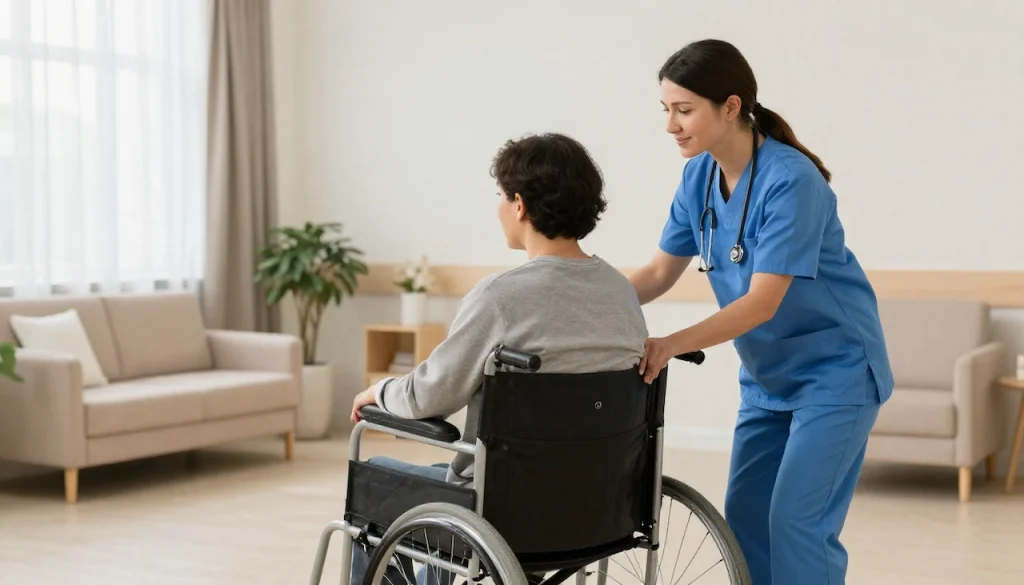
- Helping patients move safely between beds, wheelchairs, and examination areas.
- Collecting blood samples for laboratory testing.
- Performing basic ECG procedures.
- Supporting wound care activities under medical supervision.
- Updating patient information in electronic health records (EHR).
- Communicating patient concerns to nurses and healthcare providers.
- Maintaining a clean and safe patient environment.
A successful PCT understands that small actions can make a significant difference. Helping a patient feel comfortable, listening to their concerns, and providing emotional support are all important parts of quality healthcare.
Skills Every Patient Care Technician Should Have
A strong combination of technical knowledge and personal qualities helps PCTs succeed in their careers.
Medical and Technical Skills
Some important skills required for this healthcare role include:
- Understanding medical terminology.
- Taking accurate vital signs.
- Performing basic clinical procedures.
- Knowledge of infection control practices.
- Patient safety techniques.
- Basic phlebotomy and ECG skills.
- Accurate documentation.
Communication and Compassion Skills
Healthcare is built on trust. PCTs spend significant time with patients, which means communication and empathy are essential.
Important soft skills include:
- Active listening.
- Patience and understanding.
- Problem-solving abilities.
- Teamwork.
- Emotional awareness.
- Professional communication.
A patient may feel nervous before a procedure or overwhelmed by a diagnosis. A caring PCT can provide reassurance and improve the overall patient experience.
How to Become a Patient Care Technician

Many people ask, “How can I start a career in this field?” The process usually involves completing education, gaining practical experience, and earning relevant certifications.
Step 1: Complete a Healthcare Training Program
The first step is enrolling in a healthcare training program that provides essential clinical knowledge and hands-on skills. These programs typically teach:
- Patient care fundamentals.
- Medical terminology.
- Basic nursing procedures.
- Phlebotomy.
- ECG testing.
- Patient communication.
- Clinical safety practices.
Training programs may be offered through community colleges, healthcare schools, and vocational institutions.
Step 2: Gain Hands-On Clinical Experience
Classroom learning is important, but practical experience helps students develop confidence. Many programs include clinical training where students practice skills in real healthcare environments.Working directly with patients helps future PCTs understand the responsibilities involved in providing bedside care.
Step 3: Earn Patient Care Technician Certification
Although requirements vary by location and employer, earning a recognized healthcare certification can improve job opportunities. Certification shows that a professional has completed proper training and understands essential medical procedures. Some employers may prefer candidates with credentials related to:
- Patient care.
- Nursing assistance.
- Phlebotomy.
- ECG technology.
Patient Care Technician Work Environment
A PCT can work in several healthcare settings, including:
- Hospitals.
- Emergency departments.
- Rehabilitation centers.
- Nursing homes.
- Outpatient clinics.
- Dialysis centers.
- Specialty care facilities.
The healthcare work environment can be fast-paced and requires professionals to stay organized while managing multiple responsibilities. For example, hospital staff in this role may assist several patients during a shift, monitor changes in health conditions, and share important updates with nurses.
Salary Expectations and Future Opportunities in Healthcare
One common question among aspiring healthcare professionals is, “What salary can I expect in this role?”
Salary can vary based on factors such as:
- Location.
- Experience level.
- Education.
- Certification.
- Healthcare facility type.
Entry-level PCTs may start with basic healthcare support roles, while experienced professionals can increase their earning potential through additional certifications and specialized training. Some may also expand their careers by pursuing specialized roles, such as an Anesthetic technician, to develop advanced clinical skills and access broader healthcare opportunities. The demand for healthcare workers continues to grow as hospitals and medical facilities need skilled professionals who can provide reliable patient support.
Patient Care Technician vs CNA: Understanding the Difference
Many people compare these two healthcare roles because both involve assisting patients. A Certified Nursing Assistant (CNA) generally focuses on basic patient care tasks such as:
- Personal hygiene assistance.
- Mobility support.
- Daily living activities.
This healthcare role often includes additional clinical responsibilities, such as:
- Blood collection.
- ECG testing.
- More advanced patient monitoring.
- Additional technical healthcare procedures.
Both careers provide valuable support to patients, but PCT training may offer a broader range of healthcare skills and career opportunities.
Real-Life Case Study: A Career Change Into Patient Care
Consider the experience of Sarah, a 32-year-old retail worker who wanted a more meaningful career. She enjoyed helping customers but wanted to make a greater impact on people’s lives.Sarah enrolled in a patient care technician training program while continuing her part-time job. During her clinical experience, she discovered that she enjoyed communicating with elderly patients and helping them feel comfortable during hospital stays.
After completing her training and earning certification, Sarah started working in a hospital medical unit. Her responsibilities included monitoring vital signs, assisting nurses, and providing bedside care.
Within two years, Sarah gained additional healthcare experience and decided to continue her education toward a nursing career.Her journey shows how becoming a PCT can serve as both a rewarding career and a pathway toward advanced healthcare opportunities.
Career Advancement Opportunities in Healthcare Support Roles
A patient care technician career path can lead to several healthcare opportunities. Many professionals use their experience as a foundation for further education.
Possible career advancements include:
- Registered nurse.
- Licensed practical nurse.
- Medical assistant.
- Dialysis technician.
- Surgical technician.
- Specialized healthcare roles.
The hands-on experience gained as a PCT helps professionals understand patient needs and develop valuable clinical skills.
Why Choose a Career as a Patient Care Technician?
A career as a PCT can be rewarding for individuals who enjoy helping others and working in healthcare environments.
Key benefits include:
- Shorter training periods compared to many healthcare careers.
- Opportunities to work directly with patients.
- Growing demand for healthcare professionals.
- Experience that supports future career advancement.
- A meaningful role in improving patient outcomes.
For many professionals, the greatest reward is knowing that their daily work provides comfort and support to people when they need it most.
Final Thoughts
A patient care technician plays an essential role in modern healthcare by combining technical skills with compassion and patient support. From monitoring vital signs to assisting with daily care, PCTs help create better healthcare experiences for patients. They may also help patients stay informed about important health updates, such as an Eye care product recall, to support safe treatment and proper medication use.
With proper training, certification, and dedication, this career can open doors to many healthcare opportunities. For individuals looking for a meaningful profession that allows them to make a direct difference in people’s lives, this healthcare career path can be a rewarding choice.
FAQs
What daily challenges do professionals in this healthcare role face?
They may manage multiple patients, handle stressful situations, and adapt to fast-paced healthcare environments.
Is a PCT just a CNA?
No, a PCT may have additional clinical skills, including ECG testing and blood collection, beyond typical CNA duties.
What is the difference between a nurse and a patient care technician?
Nurses provide advanced medical care, while PCTs assist with patient support tasks under supervision.
What skills help a PCT succeed in a hospital setting?
Strong communication, teamwork, compassion, and clinical skills help PCTs provide safe and effective patient care.
Can a PCT work in different healthcare facilities?
Yes, PCTs can work in hospitals, clinics, rehabilitation centers, and long-term care facilities.

Matilda Shue a health blogger, but her words have the power to change your life. She is an avid reader and she loves nothing more than curling up with a good book. She always strives for perfection in everything she does, so it’s no surprise that she plans on becoming the next JK Rowling one day!