Eye health is something many people only think about when a problem appears. Over the years of writing about everyday health habits, I’ve noticed that even small products like eye drops often get ignored—until an Eye care product recall suddenly makes headlines. These recalls are more common than most people realize, and they can directly affect your daily comfort and vision safety.
In this guide, I’ll break everything down in simple language, share real-world insights, and include a practical case study so you can clearly understand what’s happening and how to protect yourself.
Content
Understanding Eye Care Product Recall in Simple Terms
An Eye care product recall happens when a company or regulator removes a product from the market due to safety concerns. Most commonly, this involves eye drops, lubricating solutions, or ophthalmic medications.
In many cases, the issue is linked to contamination, incorrect labeling, or manufacturing defects. The goal is simple: protect consumers from potential harm before the issue spreads further.
One major authority involved in these actions is the Food and Drug Administration, which issues safety alerts and recall classifications to inform the public quickly.
Eye Care Product Recall: Why Eye Care Products Get Recalled
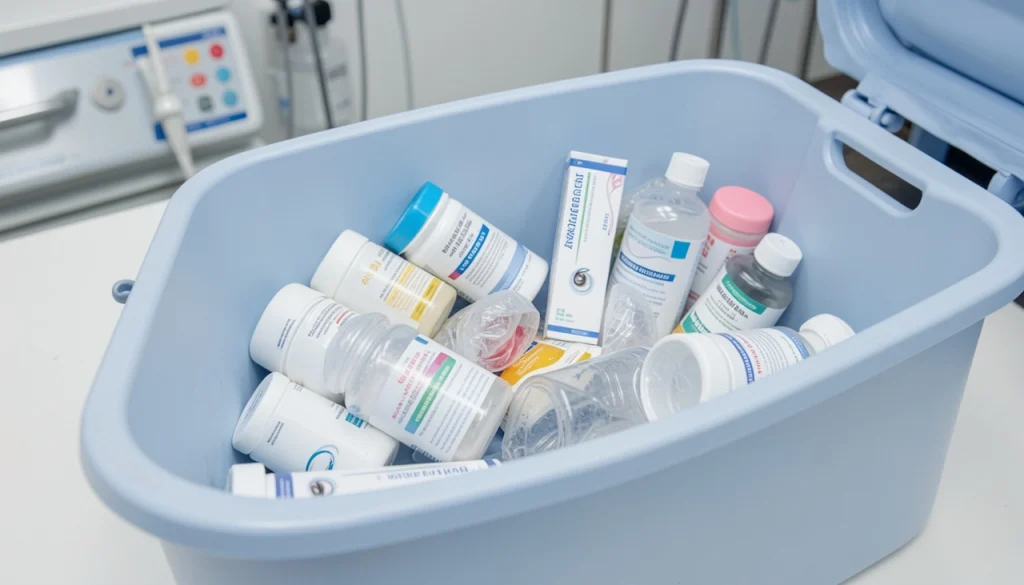
From what I’ve seen in health reporting and product safety trends, recalls usually happen for a few key reasons:
- Contamination during production
- Sterility failure in packaging or sealing
- Incorrect formulation or labeling
- Quality control breakdowns in manufacturing facilities
- Risk of microbial growth inside liquid solutions
These problems may sound technical, but they directly affect product safety. Even a small contamination can lead to serious eye irritation or infection.
Common safety concerns often include:
- eye drop recall
- contaminated eye drops
- sterile eye drops issues
- ophthalmic product safety
Types of Eye Care Products Commonly Recalled
Not all eye products carry the same risk, but certain categories appear more frequently in recall reports:
- Artificial tears and lubricating drops
- Prescription ophthalmic solutions
- Allergy relief eye drops
- Contact lens cleaning solutions
- Post-surgery eye medications
These are part of broader vision care product safety concerns because they come in direct contact with sensitive eye tissues.When a pharmaceutical recall notice is issued, it usually includes batch numbers so patients and pharmacies can identify affected products quickly.
Health Risks You Should Not Ignore
One of the most important things I’ve learned while covering health-related topics is that eye issues escalate quickly if ignored.An Eye care product recall is not just a technical warning—it’s a safety alert.
Possible risks include:
- Eye redness and irritation
- Burning or stinging sensation
- Blurry vision
- Swelling or discomfort
- In severe cases, bacterial infections
These conditions are often linked with eye infection risk products or exposure to contaminated solutions.Health experts also track FDA eye product warning alerts to prevent widespread complications.
How to Check If Your Product Is Affected
If you’re unsure whether your eye drops are safe, there are a few simple steps you can follow. One important search query many users rely on is: how to check if your eye drops are part of an Eye care product recall.
Here’s what to do:
- Check the product name and brand on official recall lists
- Compare batch or lot numbers on packaging
- Visit pharmacy or manufacturer websites
- Look for public safety announcements
- Monitor regulatory updates from health authorities
These steps are essential because recall information changes frequently.
What to Do If You Used a Recalled Product
This is one of the most asked concerns online, and for good reason. If you’ve already used a recalled product, don’t panic—but do act responsibly.
Follow this guide:
- Stop using the product immediately
- Observe any symptoms for the next few days
- Seek medical advice if irritation continues
- Report the product to health authorities or pharmacy
Many people also search:
to do if you used a recalled eye care productThe key is early action. Most issues can be managed effectively if addressed quickly.
Are Recalled Eye Drops Safe to Use Accidentally?
A common misunderstanding is that a recalled product is safe if used once. In reality, even a single exposure may carry risk depending on contamination level.Medical experts generally advise avoiding continued use entirely once a recall is announced.
Prevention Tips for Daily Eye Care Safety
As someone who focuses on practical health habits, I always recommend prevention over treatment. You can reduce risk by following simple habits:
- Buy only from trusted pharmacies
- Check packaging before use
- Avoid expired products
- Store eye drops properly
- Follow prescription instructions carefully
These habits support overall ophthalmic product safety and reduce exposure to unsafe solutions.
How Eye Care Product Recalls Are Issued
Regulatory agencies follow a structured process to ensure safety.
The process includes:
- Detection of product issues
- Risk assessment
- Classification of recall severity
- Public notification
- Product removal from distribution
This process is part of strict safety monitoring under FDA guidelines on eye care product recalls.In many cases, recalls are issued under a drug recall alert system, which helps spread information quickly across pharmacies and healthcare providers.
Symptoms Caused by Contaminated Eye Products
If exposure occurs, symptoms may vary depending on sensitivity and contamination level linked to an Eye care product recall.
Common signs include:
- Redness and inflammation
- Excessive tearing
- Eye pain or discomfort
- Light sensitivity
- Cloudy vision
These symptoms are often associated with symptoms caused by contaminated eye care products, especially when bacteria or impurities are involved.
Real-Life Case Study: What Actually Happened
A few months ago, I came across a case that really highlights why an Eye care product recall matters.
A 34-year-old office worker in a nearby city had been using over-the-counter lubricating drops daily due to long screen exposure. He didn’t notice anything unusual until he started feeling mild burning in one eye.At first, he assumed it was fatigue. But within days, redness increased and vision became slightly blurry. After visiting a clinic, doctors suspected a mild infection.
Later, he discovered that the product he had been using was part of a list of recalled eye drops and ophthalmic solutions due to sterility concerns.The product had already been flagged in a recall notice, but he had not checked the update.
Fortunately, after stopping the product and receiving treatment, his condition improved within a week.This case shows how easily people can miss recall alerts—and why checking safety updates matters.
Final Thoughts on Eye Safety Awareness
An Eye care product recall is more than just a news update—it’s a reminder that even everyday health products require attention and awareness. From checking labels to staying updated on safety alerts, small habits can make a big difference in protecting your vision. Just as consumers pay attention to product details when choosing items like a Peanut colada drink, staying informed about eye care products helps ensure safer choices. By understanding how recalls work and responding quickly, you can reduce risks and maintain better long-term eye health.
FAQs
Are Refresh eye drops considered safe after recent safety alerts?
Most Refresh products are generally considered safe when not listed in any active recall. Always verify the specific batch before use.
Has any Systane product been affected by an Eye care product recall?
Some batches of eye care products may be recalled in specific situations, but not all Systane products are affected. Always check official recall notices.
Can cyclosporine eye drops cause side effects or eye irritation?
Yes, cyclosporine eye drops may cause mild burning, redness, or irritation in some users, especially during early use.
Which eye drops are linked with blood pressure-related warnings?
Certain medicated eye drops (especially those with active drug ingredients) may carry warnings, but this is rare and depends on formulation.
What is the 20-20 rule for reducing dry eye strain?
The 20-20 rule suggests looking at something 20 feet away for 20 seconds every 20 minutes to reduce eye strain from screens.

Matilda Shue a health blogger, but her words have the power to change your life. She is an avid reader and she loves nothing more than curling up with a good book. She always strives for perfection in everything she does, so it’s no surprise that she plans on becoming the next JK Rowling one day!