Heart-related diseases account for almost a third of deaths globally. Diets and nutrition play a vital role in your heart health and can either increase or decrease your risk of heart problems.
Eating foods with the appropriate amount of calories and fat is a significant part of taking care of your heart. Luckily, some foods are best in this regard because of their nutrient contents.
According to American Heart Association, a diet rich in vegetables, fruits, whole grains, nuts, poultry, and fish is the best for your heart health.
This post outlines ten different types of foods you should be eating to enhance your heart health.

Let’s find out:
- Green leafy vegetables
Leafy vegetables like kales, spinach, and green collard are common for their abundance in minerals, vitamins, and antioxidants. Particularly, they are a better source of vitamin k, which is helpful in the protection of arteries and proper clotting of blood.
Also, they are rich in dietary nitrates, which have been linked to decreasing arterial stiffness, reducing blood pressure and improving the function of the cells lining the blood vessels. Studies have shown that taking leafy vegetables is responsible for lowering up to 16 percent risks of coronary diseases.
- Avocadoes
Avocados are a great source of mono-saturated fats, which have always been associated with reducing cholesterol levels and lowering risks of heart problems.
People who include avocados in their diet, even one per day, experienced a reduced level of “bad” LDL cholesterol, including dense and small cholesterol, which are believed to raise the risks of heart problems.
Also, avocados are rich in potassium, one of the nutrients that are essential for heart health. Precisely, one avocado provides around 28% of the total requirement for a day or 975 milligrams.
Taking a minimum of 4.7 grams of potassium daily can reduce blood pressure by an average of 8.0/4.1mmHg. This amount of potassium can be equated to a 15% lower risk of stroke.
- Whole grains
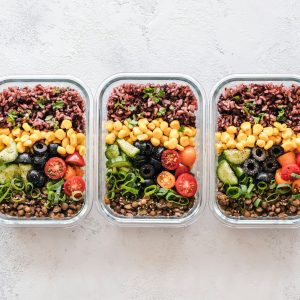
Taking whole grain means eating the three nutrient-rich parts, endosperm, germ, and bran. Common examples of whole grain include brown rice, whole wheat, barley, rye, oats, quinoa, and buckwheat.
Whole grains are higher in fibers than refined grains; hence they are recommended to help reduce the presence of “bad” LDL cholesterol, decreasing the risk of heart diseases. Several studies have found that more serving of whole grains per day lowers your risk of heart disease by up to 22%
It is advised that whenever you are out buying whole grains, ensure to read the label correctly. Statements like “whole grain” or “whole wheat” show the product is whole grains. However, phrases like “wheat flour” or “multigrain” may mean something else.
- Fatty fish and fish oils
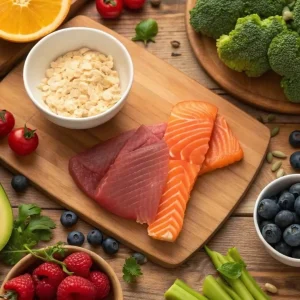
Fatty fish like sardines, salmon, tuna, and mackerel are full of omega-3 fatty acids, which have extensively been associated with heart health benefits.
According to a study by the national library for medicine, eating fish over a long time is linked to reduced cholesterol levels, fasting blood sugars, blood triglycerides, and systolic blood pressure. For instance, eating salmon three times a week for two months or eight weeks reduces diastolic blood pressure.
Suppose you don’t eat seafood too frequently. In that case, fish oil is a better alternative for getting the daily requirement of omega-3 fatty acids. Fish oil supplements have been linked to better arterial function, reduced blood triglycerides, and decreased blood pressure.
- Berries
Common types of berries like strawberries, raspberries, blueberries, and blackberries are loaded with essential nutrients for a healthy heart. They are also full of antioxidants like anthocyanins.
These antioxidants protect against inflammation and oxidative stress that leads to the development of heart problems.
Several studies have indicated that taking a beverage made of cold berries reduces “bad” LDL in adults with metabolic syndrome- a collection of conditions associated with increased risks of coronary problems.
Finally, berries can make a low-calorie dessert or a satisfying snack. You need to try adding different types to your meals to enjoy the health benefits that come with having them in your die.
- Beans
Beans are rich in resistant starch, which resists digestion to be fermented by the beneficial bacteria in your gut. Resistant starch can improve your heart health by reducing blood levels of cholesterol and triglycerides.
What’s more, including beans in your diet is associated with reducing inflammation and blood pressure, all of which are related to poor heart health.
Conclusion
There are a lot of things you can do to keep your heart healthy. Ranging from regular weight checks to quitting smoking, however, doing these can prove to be difficult and requires a high level of discipline.
One of the simplest things you can do is to check what you are eating. American Heart Association warns that eating food high in cholesterol, fats, and sodium is harmful to your heart health.
Foods like leafy green vegetables, avocadoes, berries, fatty fish, and whole grains are major foods for a healthy heart. Also, walnuts, beans, and chocolate should be regular in your diet if you want to avoid coronary problems.

Jesus is a health blog author who has been writing about nutrition, fitness and healthy living for over 10 years. He also loves to run, hike and bike with her wife.