When I first came across the term First Health Network, I honestly thought it was just another complicated insurance system that only experts could understand. But after researching it deeply (especially while working with clients who needed healthcare and nutrition guidance during recovery journeys), I realized it’s actually much more practical than it sounds.
In this guide, I’ll break everything down in simple language, just like I would explain it to someone sitting across from me in a real conversation. Whether you’re trying to understand insurance for medical care, detox support, or general treatment access, this article will help you clearly understand how the system works.
Content
Understanding What First Health Network Really Is
The First Health Network is a large health insurance provider network that connects patients with doctors, hospitals, and healthcare facilities across different regions. Instead of being a direct insurance company, it acts as a bridge between insurance plans and healthcare providers.In simple terms, it helps you access in-network providers so your medical costs are often lower and more manageable.Many people search for questions like:Insurance coverage refers to the medical services and treatments that a health plan pays for either fully or partially, helping reduce overall healthcare costs for patients.
It usually includes doctor consultations, hospital stays, emergency care, preventive checkups, and sometimes specialized treatments such as mental health services or rehabilitation support.The answer is fairly straightforward: it is a PPO insurance network, meaning you have flexibility in choosing healthcare providers while still saving money when you stay in-network.From my experience working with individuals focusing on health recovery and nutrition support, this flexibility is extremely helpful when someone needs ongoing care or treatment programs.
Why First Health Network Matters in Real Life Healthcare
One thing I’ve noticed is that people usually don’t think about insurance networks until they urgently need care. That’s when confusion starts.Here’s where First Health Network becomes important:
It gives access to a wide range of doctors and hospitals
It reduces medical expenses when you use in-network services
It supports both routine and specialized treatments
It helps with healthcare insurance plans across the country
A major advantage is that it supports different types of care, including behavioral health services, which is especially important for people going through stress, addiction recovery, or mental health challenges.
Does First Health Network Cover Detox and Treatment Services?
One of the most common concerns people have is:
Does First Health Network cover detox?
In many cases, yes—depending on your specific plan.
Coverage often includes:
Medical detox programs
Substance abuse treatment
Mental health treatment
Medication assisted treatment
Counseling and therapy sessions
This is especially important because recovery is not just physical—it also involves emotional and psychological support. From a health and wellness perspective, I always tell people that recovery is similar to rebuilding your body’s balance, almost like adjusting nutrition and lifestyle habits over time. A strong Hospital network within your insurance plan ensures you have access to the right care, specialists, and support systems when you need them most, making a significant difference in the overall healing process.
How This Health Insurance Network Works Step by Step
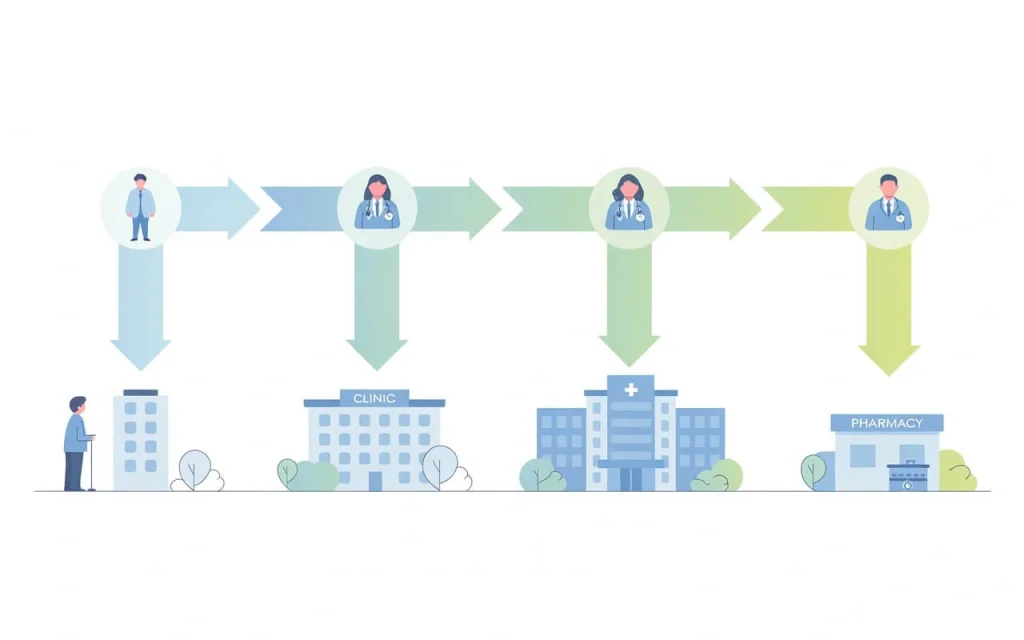
To make things simple, here’s how the system usually works:
1. Choose a Provider
You select a doctor or hospital from the in-network providers list.
2. Check Coverage
Your insurance plan determines what percentage is covered.
3. Receive Treatment
This can include anything from general care to specialized programs like detox or therapy.
4. Billing Process
The provider bills your insurance directly, reducing your out-of-pocket cost.This structure is why many people prefer PPO-based systems—it gives both flexibility and cost savings.
In-Network vs Out-of-Network Explained Simply
This is where many people get confused.
In-Network Providers
These are healthcare professionals who have agreements with First Health Network. You pay less here.
Out-of-Network Providers
These are doctors or hospitals outside the network. You can still visit them, but the cost is usually higher.Understanding this difference is key to managing healthcare expenses effectively.I often compare this to nutrition planning—just like choosing the right foods helps you stay healthy, choosing the right provider helps you manage medical costs.
Benefits of First Health Network Coverage
From a practical standpoint, here are the major benefits:
Access to a large network of healthcare providers
Lower treatment costs for in-network services
Coverage for medical detox and rehabilitation programs
Support for mental and behavioral healthcare
Flexibility in choosing doctors under a PPO system
These advantages make it especially valuable for individuals dealing with long-term treatment needs.
Real-Life Case Study: Maria’s Recovery Journey
Let me share a real-life inspired case study that shows how a health insurance network can positively impact someone’s life.
Maria, a 34-year-old woman, was struggling with alcohol dependency and had been delaying treatment due to financial concerns. She also had poor nutrition habits, which worsened her physical health.After finally consulting a healthcare advisor, she discovered that her insurance was part of a PPO insurance network that provided access to a wide range of treatment facilities and healthcare providers.
Step 1: Insurance Verification
Her coverage was confirmed for detox and therapy programs.
Step 2: Treatment Admission
She was admitted to a facility offering medical detox and counseling.
Step 3: Recovery Process
Her treatment included:
Therapy sessions
Nutritional guidance (this is where lifestyle change played a big role)
Group counseling
Medication support
Step 4: Aftercare Support
She transitioned into outpatient care and continued recovery support.
Outcome
Within several months, Maria was not only medically stable but also emotionally stronger. She later shared that understanding her insurance coverage was the turning point that made her seek help.This is a clear example of how knowing your First Health Network insurance coverage can directly impact life-changing decisions.
How to Find First Health Network Providers Near You
If you are trying to access care, you can:
Check your insurance card details
Search provider directories
Contact your insurance support line
A common search people use is:
First Health Network insurance accepted hospitals near me
This helps identify nearby healthcare access points quickly.
Final Thoughts from a Health-Focused Perspective
Even though I usually write about health and nutrition, I’ve learned that healthcare access is just as important as lifestyle habits. You can eat the best diet, including a balanced Halal diet food plan, and follow the healthiest routine, but without proper medical access when needed, recovery becomes difficult. The First Health Network plays a key role in bridging that gap by making healthcare more accessible, affordable, and structured.
Whether you are dealing with general health concerns or more serious recovery needs, understanding your insurance network can empower you to make better decisions for your well-being. And in the end, that’s what health is really about—having the right support system when you need it most.
FAQs
What is a payer ID in medical billing?
It is a unique identification number used by insurance companies to process electronic claims efficiently.
What is the difference between HMO and PPO insurance plans?
HMO plans require patients to use a specific network of providers, while PPO plans offer more flexibility in choosing doctors.
What is covered under health insurance?
Coverage typically includes medical visits, hospital care, emergency treatment, preventive services, and sometimes mental health support.
What does PPO stand for?
PPO stands for Preferred Provider Organization, a flexible type of insurance network.
What does HMO stand for?
HMO stands for Health Maintenance Organization, which has a more restricted provider network.
Matilda Shue a health blogger, but her words have the power to change your life. She is an avid reader and she loves nothing more than curling up with a good book. She always strives for perfection in everything she does, so it’s no surprise that she plans on becoming the next JK Rowling one day!
Matilda Shue a health blogger, but her words have the power to change your life. She is an avid reader and she loves nothing more than curling up with a good book. She always strives for perfection in everything she does, so it's no surprise that she plans on becoming the next JK Rowling one day!
Nurses in Texas play a vital role in both patient care and the legal system. When encountering cases of abuse, assault, or suspicious injuries, forensic evidence collection…
Living a healthy life doesn’t always require dramatic changes, expensive supplements, or strict routines. Over the years, while working closely with people trying to improve their eating…
Coconut oil is a versatile and popular ingredient in cooking, baking, skincare, and hair care. Known for its numerous health benefits and unique flavor, coconut oil is…
For individuals managing diabetes, selecting the right foods is essential to maintaining stable blood sugar levels and overall health. One popular breakfast combination—grits and eggs—often raises questions….
Diabetes is a chronic condition that affects how your body turns food into energy. If left unmanaged, it can lead to severe complications like heart disease, kidney…
Feeding our children with healthy drinks for kids is common sense. Yet, there’s a lot more to understand about their brain development. This article uncovers the significant…