Fried fish is one of the most popular dishes enjoyed in homes and restaurants around the world. A perfectly fried fish should have a crispy golden crust on the outside while staying soft, juicy, and flavorful inside. However, many people often end up with fish that is too oily, soggy, or overcooked.
Learning How to fry fish the right way can make a huge difference in both taste and texture. With a few simple techniques and the right ingredients, anyone can prepare delicious fried fish at home without difficulty.
The first step is choosing the right fish. Not every type of fish is ideal for frying. Firm white fish usually works best because it holds its shape during cooking and provides a flaky texture after frying. Popular choices include cod, tilapia, catfish, haddock, and snapper. These fish are mild in flavor and cook beautifully when fried.
Content
Preparing the Fish Properly
Before cooking, proper preparation is very important. Fresh or thawed fish should always be cleaned properly and patted dry using paper towels. Moisture is one of the main reasons fish loses its crispiness during frying. If the fish is wet, the coating may not stick well, and the hot oil can cause splattering.
Dry fish helps create a better crust and improves the final result. This simple step is often ignored, but it is one of the biggest secrets behind crispy fried fish.
Adding the Right Seasoning
Seasoning is another key part of making flavorful fried fish. Even simple spices can improve the taste significantly. Salt, black pepper, garlic powder, paprika, onion powder, and lemon pepper are common choices. Some people prefer Cajun seasoning for a stronger flavor.
You can season the fish directly or mix the spices into the flour coating for extra taste. Proper seasoning helps create rich flavor from the inside out.
Choosing the Best Coating
When people ask how to fry fish perfectly, the answer often depends on the coating. A light coating creates the best crispy texture without making the fish too heavy.
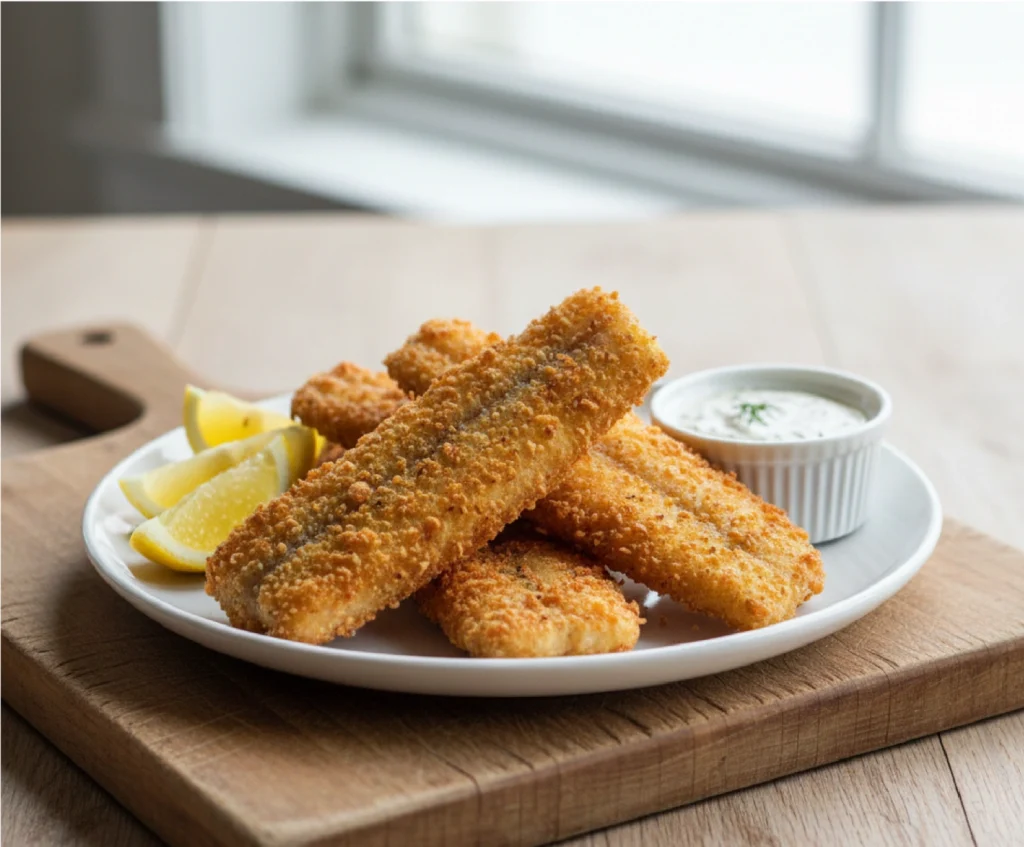
Flour coating is one of the easiest methods. The fish is simply seasoned, coated lightly in flour, and fried until golden brown. Breadcrumb coating provides extra crunch and usually involves dipping the fish in flour, then egg, and finally breadcrumbs. Cornmeal coating is another excellent option, especially for Southern-style fried fish, giving it a slightly crunchy finish.
Maintaining the Correct Oil Temperature
Oil temperature plays a major role in successful frying. If the oil is too cold, the fish absorbs excess oil and becomes greasy. If the oil is too hot, the outside burns before the inside cooks properly.
The ideal frying temperature is usually between 350°F and 375°F. Vegetable oil, canola oil, and peanut oil are commonly used because they can handle high heat well. A simple way to test the oil is by dropping a small pinch of flour into the pan. If it sizzles immediately, the oil is ready.
Avoiding Common Frying Mistakes
Another common mistake is overcrowding the pan. Adding too many pieces of fish at once lowers the oil temperature quickly, leading to uneven cooking and soggy results.
It is always better to fry in small batches, leaving enough space between each piece. This allows the fish to cook evenly and keeps the coating crispy. Fish should also be flipped carefully only once to avoid breaking it apart.
Knowing When the Fish Is Done
Fish usually cooks very quickly, which is why timing matters. Most fillets need around three to five minutes per side depending on thickness.
When the coating turns golden brown and the fish flakes easily with a fork, it is ready. Overcooking should be avoided because fish can become dry in just a few extra minutes.
Draining Excess Oil Properly
After frying, it is important to remove excess oil properly. Placing the fish on paper towels or a wire rack helps drain the extra oil and keeps the crust crispy.
Covering hot fried fish immediately is not recommended because trapped steam can soften the coating and ruin the texture.
Serving Fried Fish the Right Way
Serving fried fish with the right side dishes makes the meal even better. French fries, coleslaw, mashed potatoes, steamed rice, fresh salad, tartar sauce, and lemon wedges are all popular choices.
These simple sides complement the crispy fish and create a complete meal that feels satisfying and delicious.
Final Thoughts
Many home cooks believe frying fish is difficult, but it becomes much easier once you understand the basics. The secret to success is simple: dry fish, proper seasoning, light coating, hot oil, and patience.
Mastering How to fry fish at home can save money, improve your cooking skills, and help you enjoy restaurant-style meals anytime. Whether you are preparing dinner for your family or making a special weekend meal, fried fish is always a great choice.
If you follow these simple steps, you will soon understand exactly how to fry fish perfectly and achieve that crispy golden texture every single time. Perfect fried fish is not about complicated recipes—it is about using the right method and paying attention to the small details that matter most.
Jesus is a health blog author who has been writing about nutrition, fitness and healthy living for over 10 years. He also loves to run, hike and bike with her wife.
Jesus is a health blog author who has been writing about nutrition, fitness and healthy living for over 10 years. He also loves to run, hike and bike with her wife.
Orlando is one of the most competitive food markets in Florida. Between tourists, locals, theme park traffic, hotel guests, delivery apps, and a steady stream of new…
Exploring Czech Republic food feels like stepping into a world where comfort, tradition, and hearty flavors come together in every meal. Unlike light Mediterranean cuisine or spice-heavy…
Angel hair pasta is one of those ingredients that looks simple at first glance but can completely transform a meal when used correctly. As a health-focused home…
Meal planning sounds simple, but in practice it often turns into a mix of scattered recipes, handwritten notes, and forgotten ingredients. Many people still create grocery lists…
Eating out should be convenient, enjoyable, and stress-free—but when you’re avoiding gluten, fast food can feel like a risky gamble. As someone who has spent years navigating…