If you’re preparing for the Army fitness test, you know it’s more than just push-ups and running—it’s a measure of strength, endurance, and overall readiness. Whether you’re a new recruit, a seasoned soldier looking to improve, or someone exploring military fitness standards for personal growth, understanding the test’s structure and training strategies can make all the difference. In this guide, we’ll break down everything you need to know, from the five core events to scoring standards and nutrition tips that actually boost performance.
Content
Understanding the New Army Fitness Test
The Army fitness test recently evolved to better reflect real-world combat readiness. Unlike the old push-up, sit-up, and two-mile run format, the new test emphasizes strength, speed, agility, and core stability. This shift ensures soldiers are better prepared for the physical challenges they may face in modern military operations.
Why the change matters:
Traditional tests focused more on endurance than functional strength.
Modern Army roles require dynamic movements like lifting, sprinting, and carrying heavy loads.
Soldiers must demonstrate overall fitness, not just cardiovascular stamina.
In short, passing the test is not only about meeting numbers—it’s about functional readiness.
The Five Core Events of the Army Fitness Test
The new Army fitness test includes five essential events. Each assesses a different aspect of physical readiness. Understanding these will help you train smarter, not just harder.
1. 3 Repetition Maximum Deadlift (MDL)
The deadlift event measures total body strength, especially in the legs, back, and grip. Proper form is key—not only for passing the test but to prevent injuries during training or fieldwork.
Training tips:
Focus on compound lifts like squats and deadlifts.
Gradually increase weight to build power.
Include grip-strength exercises such as farmer’s carries or pull-ups.
2. Hand Release Push-Up – Arm Extension (HRP)
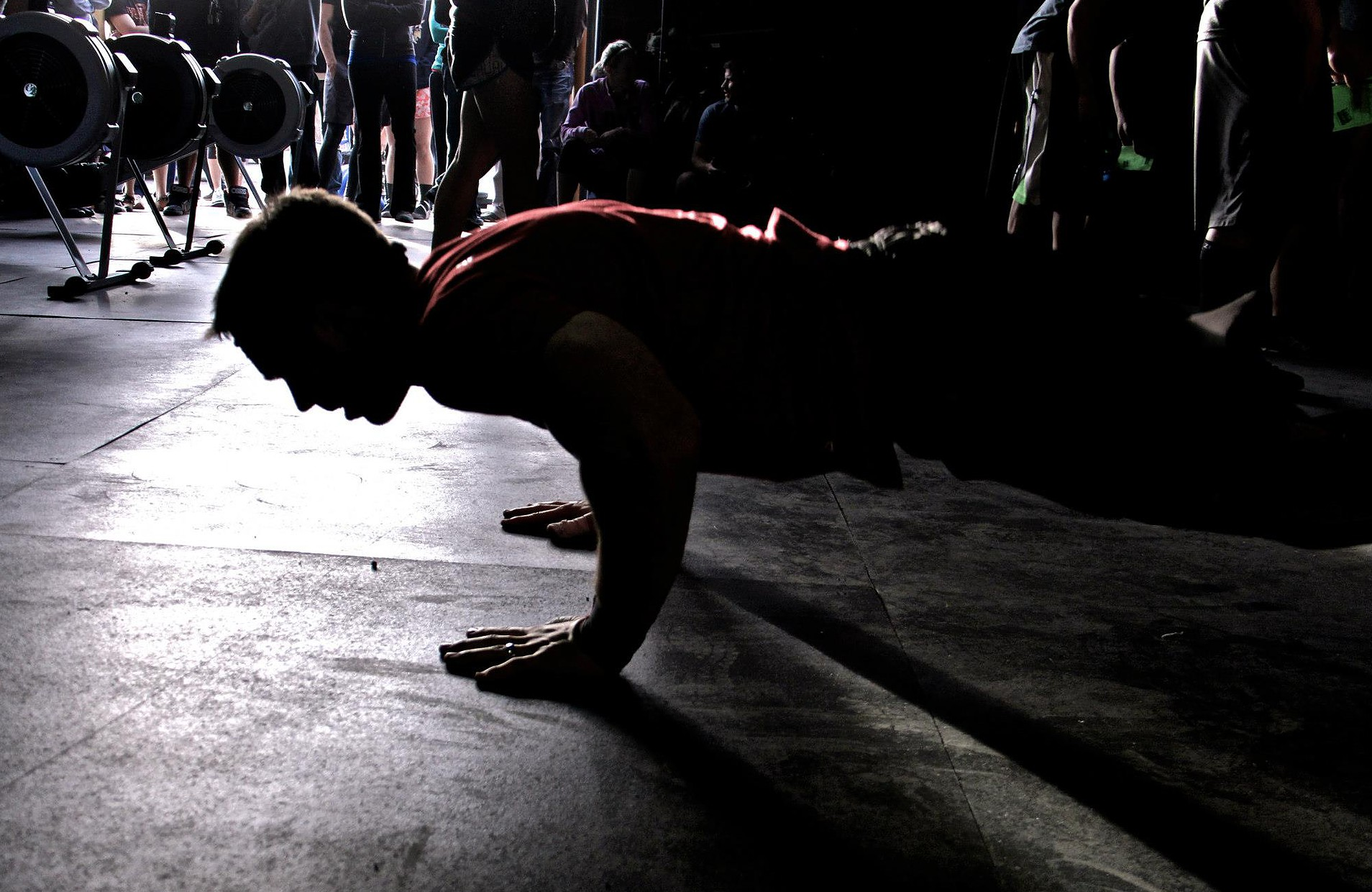
This event evaluates upper body strength and endurance. Unlike regular push-ups, hand release push-ups require lifting your hands off the ground at the bottom of each repetition.
Tips to improve HRP:
Practice slow, controlled push-ups to maximize muscle engagement.
Incorporate triceps dips and shoulder presses to strengthen supporting muscles.
Ensure proper nutrition—adequate protein intake enhances muscle recovery.
3. Sprint-Drag-Carry (SDC)
A dynamic event combining sprinting, dragging a sled, lateral shuffles, and carrying weights. It tests speed, agility, and muscular endurance—all critical for combat readiness.
Training focus:
Include high-intensity interval training (HIIT) for sprint endurance.
Practice functional movements like sled drags or sandbag carries.
Strengthen core and lower body with lunges, planks, and squats.
4. Plank (PLK)
Replacing the traditional sit-up, the plank event emphasizes core strength and stability. Holding a plank engages multiple muscles simultaneously, including the abs, back, and shoulders.
Tips for improvement:
Begin with 30-second holds and gradually increase.
Incorporate side planks, stability ball exercises, and hollow holds.
Focus on breathing and maintaining proper alignment to prevent fatigue.
5. Two-Mile Run (2MR)
The two-mile run remains a staple for cardiovascular endurance. But combined with the other events, it now reflects overall functional fitness, not just aerobic capacity.
Running strategies:
Alternate between distance runs and interval sprints.
Track pace and aim to gradually reduce your time.
Combine running with strength training days to simulate test conditions.
Scoring Standards: Combat vs. General
The Army fitness test has age and gender-based standards, with different scores for combat and general roles. Combat standards are slightly higher, reflecting the demands of active deployment.
Tips for maximizing your score:
Understand the scoring table for your age and gender.
Focus on weaker events while maintaining strong performance in your strengths.
Log your performance weekly to track improvements.
Training for the Army Fitness Test
Preparation isn’t just about working out—it’s about smart, strategic training. Combining strength, endurance, and mobility workouts with proper nutrition can dramatically improve your results.
Sample weekly routine:
Monday: Deadlift & squats + core exercises
Tuesday: Sprint intervals + sled or sandbag drills
Wednesday: Active recovery, mobility work, yoga
Thursday: Hand release push-ups, dips, and shoulder presses
Friday: Plank circuits + two-mile timed run
Saturday: Full-body circuit or functional training
Sunday: Rest and recovery
Nutrition tips from a health-food perspective:
Prioritize lean protein: chicken, fish, tofu, or eggs for muscle repair.
Include complex carbs: sweet potatoes, brown rice, oats for sustained energy.
Hydrate consistently: water is crucial for endurance and recovery.
Add anti-inflammatory foods: berries, spinach, turmeric help reduce soreness.
Real-Life Case Study: Sarah’s Army Fitness Journey
Meet Sarah, a 24-year-old recruit who struggled to meet the Army fitness test requirements on her first attempt. Her push-up and sprint times were below the combat standard.
Sarah’s approach:
Assessed weak areas using the official scoring chart.
Combined strength training (deadlifts, squats) with HIIT running drills.
Adjusted her diet, focusing on protein and anti-inflammatory foods.
Tracked progress weekly and incorporated rest days for recovery.
Results:
Within 8 weeks, Sarah increased her push-ups by 12 reps and reduced her two-mile run time by 90 seconds.
She passed the test with a combat-standard score and reported feeling stronger and more confident in her overall fitness.
Takeaway: Personalized training and proper nutrition greatly improve Army Combat Fitness Test results.
Common Mistakes to Avoid
Overtraining: More isn’t always better; recovery is key.
Ignoring weak events: Focus on improving your weakest areas.
Poor form during exercises: Leads to injury and lower scores.
Preparing for Success
Success on the Army fitness test requires more than raw strength—it’s about preparation, strategy, and consistency. Use these tips to maximize your chances:
Follow a balanced training schedule
Track performance weekly
Adjust diet to meet energy and recovery needs
Visualize the test events and practice under real conditions
Final Thoughts
The Army fitness test measures overall functional readiness—not just physical stamina. With strategic training, proper nutrition, consistent practice, and practical Health and Wellness Tips, anyone can meet and exceed the standards. As Sarah’s story shows, structured preparation improves results while building confidence alongside physical strength. It’s not just about passing the test—it’s about creating a lasting foundation of health, endurance, and resilience that supports success in the Army and beyond.
FAQs
What is the basic army fitness test?
It measures overall strength, endurance, and readiness using five core events: MDL, HRP, SDC, plank, and 2-mile run.
What is the physical fitness test to get into the Army?
The test evaluates upper body, core, and cardiovascular fitness to ensure recruits meet Army standards for service.
Can I join the Army if I’m unfit?
You can, but you must train and meet minimum fitness requirements before enlistment or during initial training.
What are the 10 fitness tests?
Some branches include additional tests like pull-ups, sit-ups, shuttle runs, push-ups, and endurance drills to assess total fitness.
How many pushups by age?
Push-up requirements vary by age and gender; younger recruits typically need more, older recruits fewer for standard scores.
Matilda Shue a health blogger, but her words have the power to change your life. She is an avid reader and she loves nothing more than curling up with a good book. She always strives for perfection in everything she does, so it’s no surprise that she plans on becoming the next JK Rowling one day!
Matilda Shue a health blogger, but her words have the power to change your life. She is an avid reader and she loves nothing more than curling up with a good book. She always strives for perfection in everything she does, so it's no surprise that she plans on becoming the next JK Rowling one day!
Bodybuilding competitions come in many shapes and forms and for those interested in fitness and figure competitions, the options can feel overwhelming. Whether you’re a seasoned athlete…
Understanding your body requirements is an invaluable tool for developing fitness. Your daily body requirements include vitamins, minerals, protein and fibre. Vitamins and minerals are the elements…
Maintaining an ideal figure isn’t difficult when you’re following the right instructions and tips. If you eat less and stick to your workout plan, chances are that…
Are you passionate about sports and nutrition? Wondering what you can do with a sports nutrition certification? Look no further! In this blog post, we’ll explore the…